
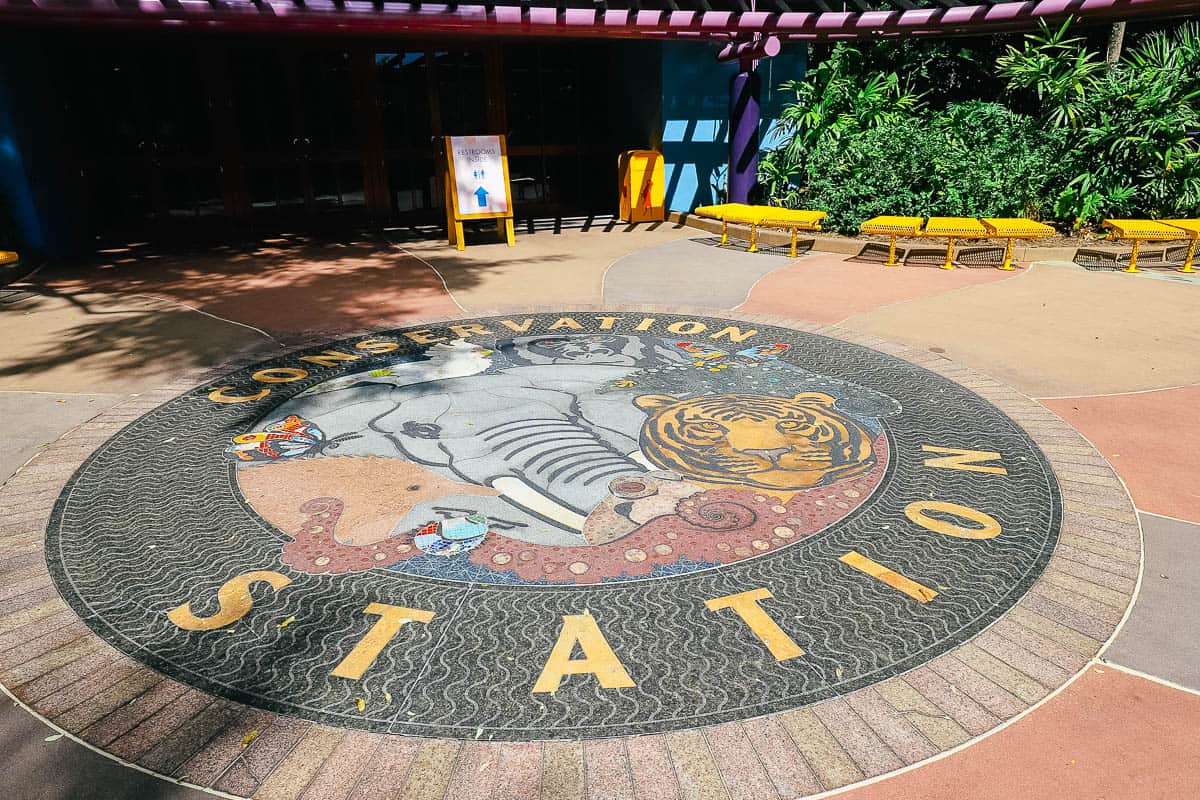
Conservation Station at Disney’s Animal Kingdom
Conservation Station at Rafiki’s Planet Watch permanently closed on February 23, 2026. It was replaced by a new attraction called Bluey’s Wild World at Conservation Station. The following information reflects the former Conservation Station before Bluey. It is left for historical reference only.
Conservation Station is an attraction at Rafiki’s Planet Watch at Disney’s Animal Kingdom. This area of the park is perfect for anyone interested in animals, conservation, or biology. Inside Conservation Station, you’ll find a science center, veterinary treatment room, nutrition center, and several window displays with amphibians, reptiles, and invertebrates. Below, we’ll examine a few of these areas in more detail and explain how to locate this special park area.
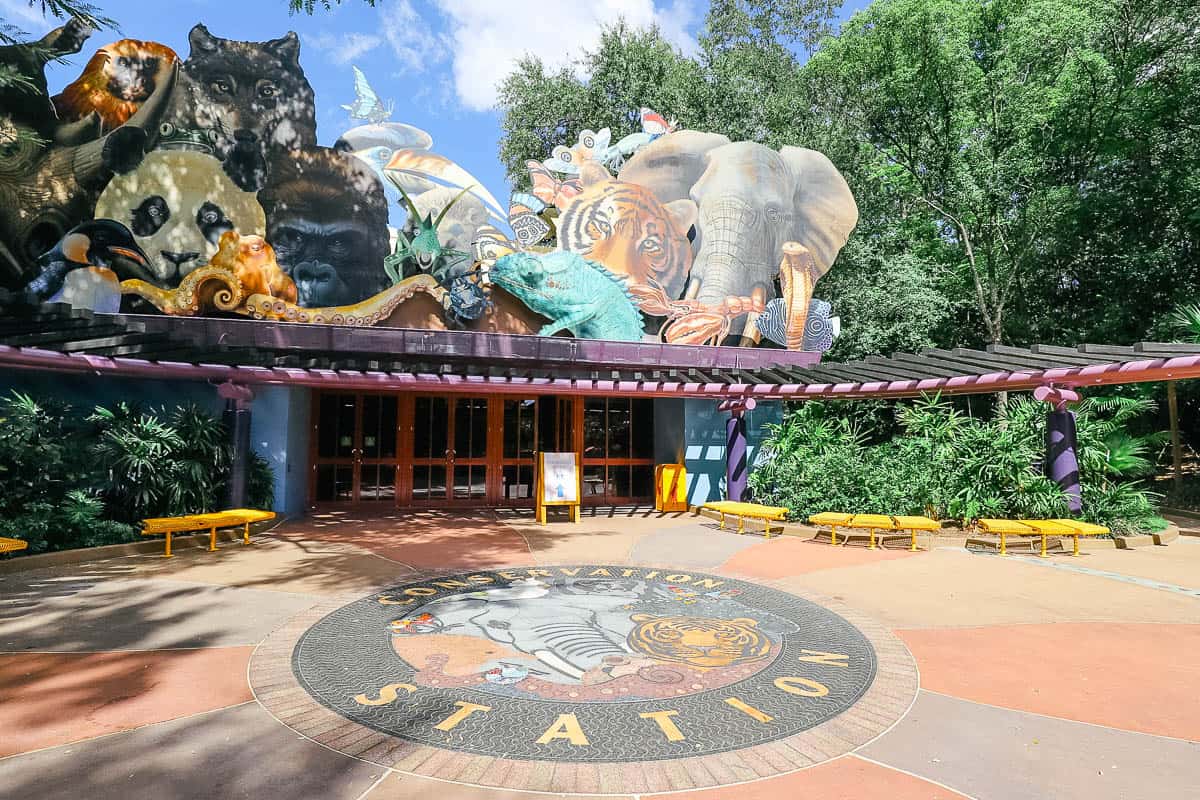
Here are a few quick references for Conservation Station.
| Conservation Station | Disney’s Animal Kingdom |
|---|---|
Location: | Rafiki’s Planet Watch |
Height Requirement: | None |
Lightning Lane: | NA |
Early Theme Park Entry: | No |
Extended Evening Hours: | No |
Ride Type: | Educational Experience |
Seats Per Vehicle: | N/A |
Rider Switch: | N/A |
Good For: | Everyone |
Scary Factor: | None |
Must-Do List: | Low Priority |
Perfect For: | Anyone with an interest in science. |
Special Mention: | You must take the Wildlife Express Train to access this area of the park. |
Accessibility: Guests may remain in wheelchairs or ECVs.
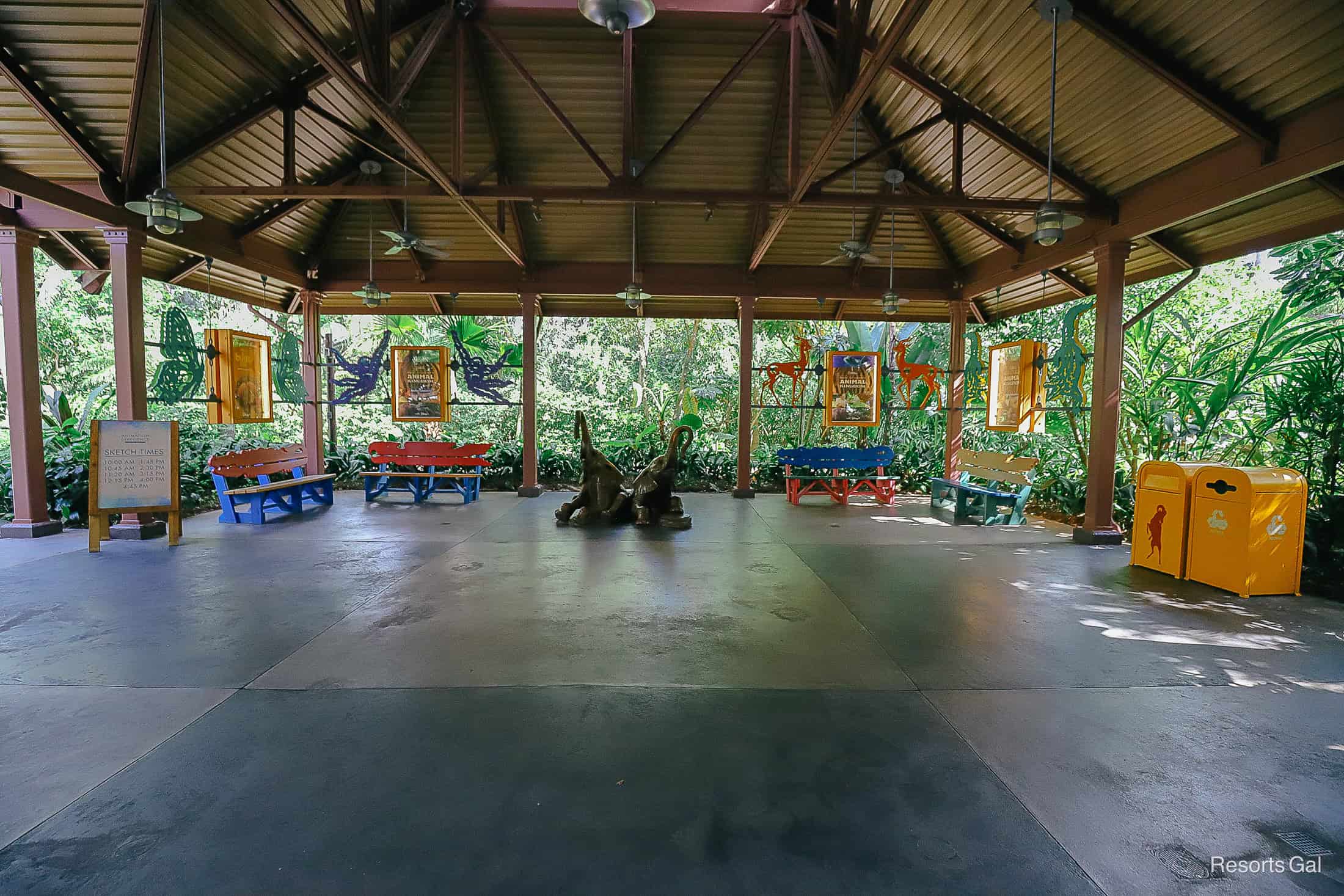
You must take the Wildlife Express Train from Africa to Conservation Station. The entrance to the train station sits along a path between Kilimanjaro Safaris and Harambe Market.
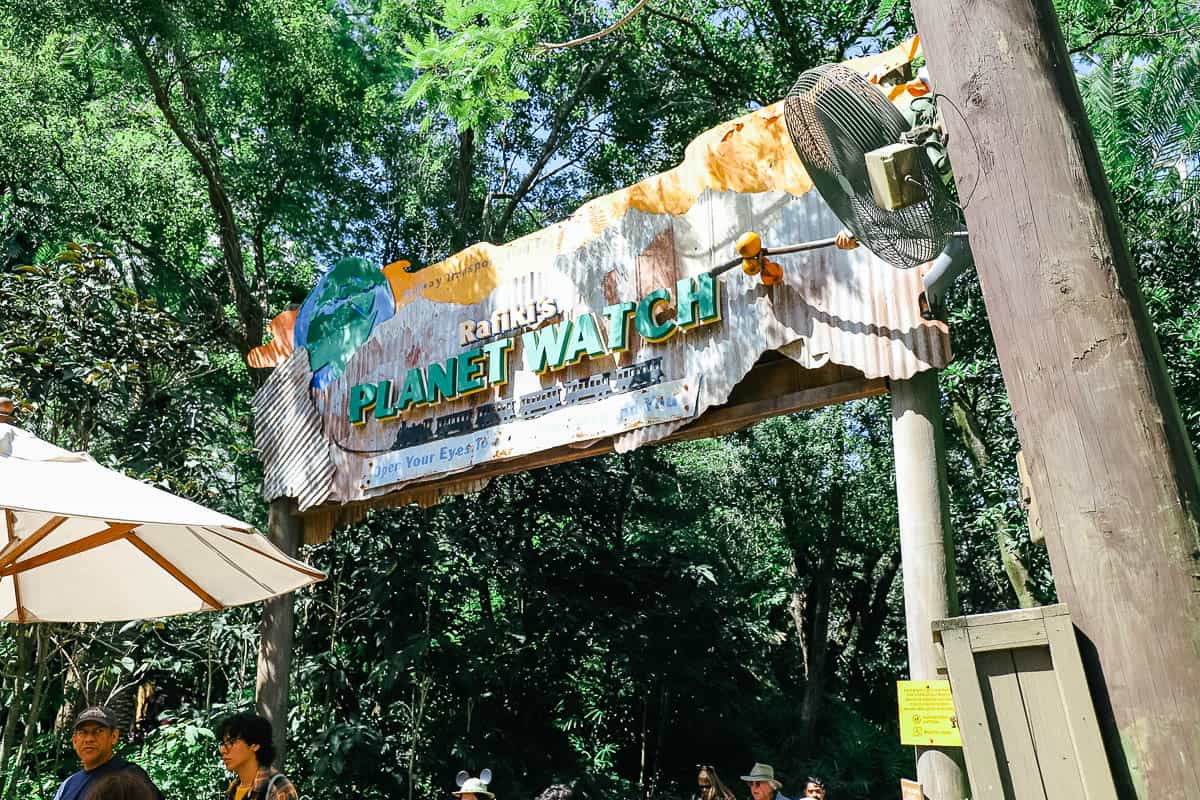
When you exit the train at Rafiki’s Planet Watch, a walkway leads to Conservation Station. A few other attractions are in the same area.
- Affection Section: This is the only petting zoo at Walt Disney World! This area is home to goats, sheep, and donkeys. You might even see a few pigs, but we haven’t seen them on our last couple of visits.
- Habitat Habit: This is more of a Wilderness Explorer badge area these days.
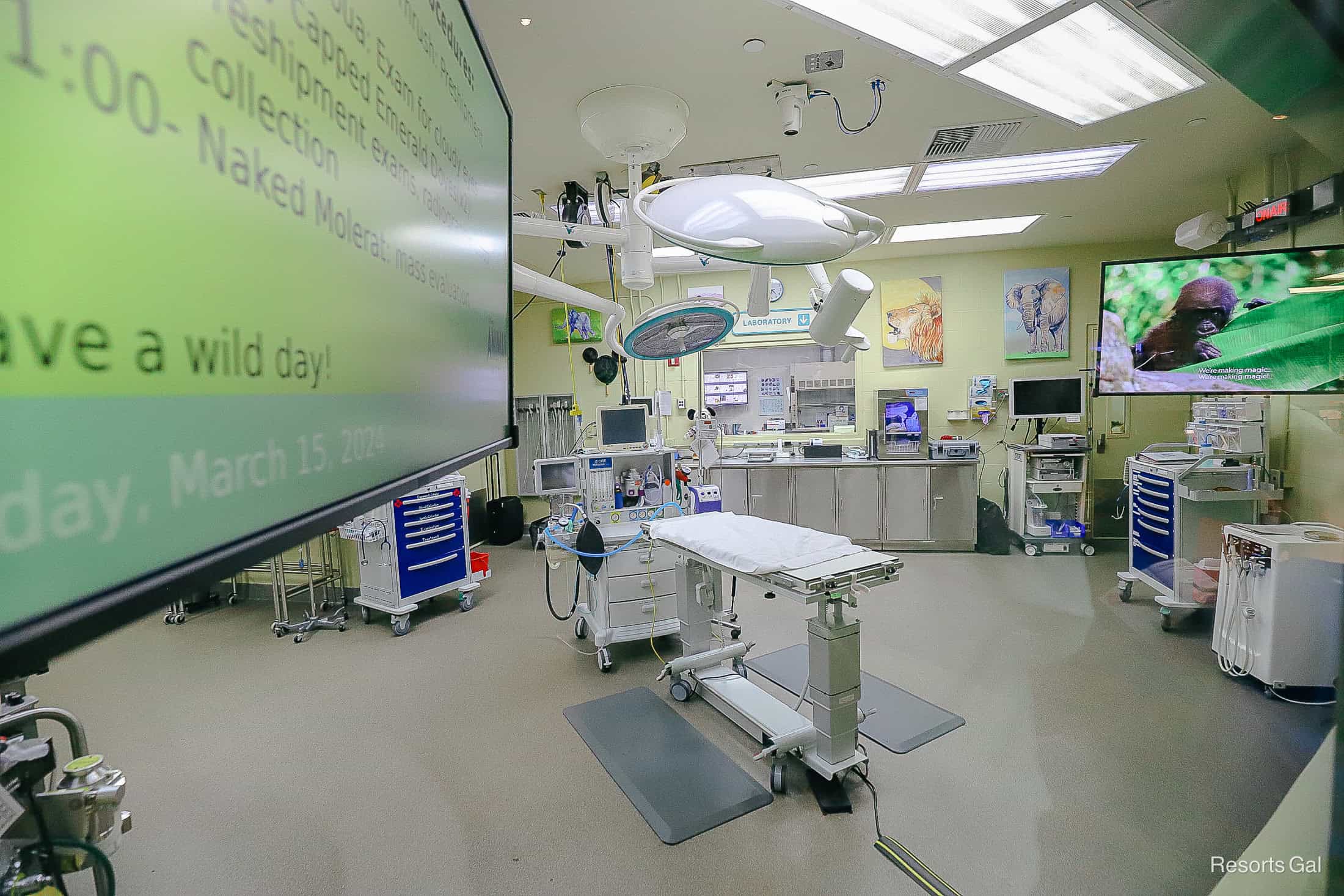
Inside Conservation Station, there are a few enclosed rooms with glass walls. Guests are invited to walk up and observe what’s going on inside. The veterinary treatment room is pictured below. If they are performing a procedure, an overhead television screen provides an even closer look.
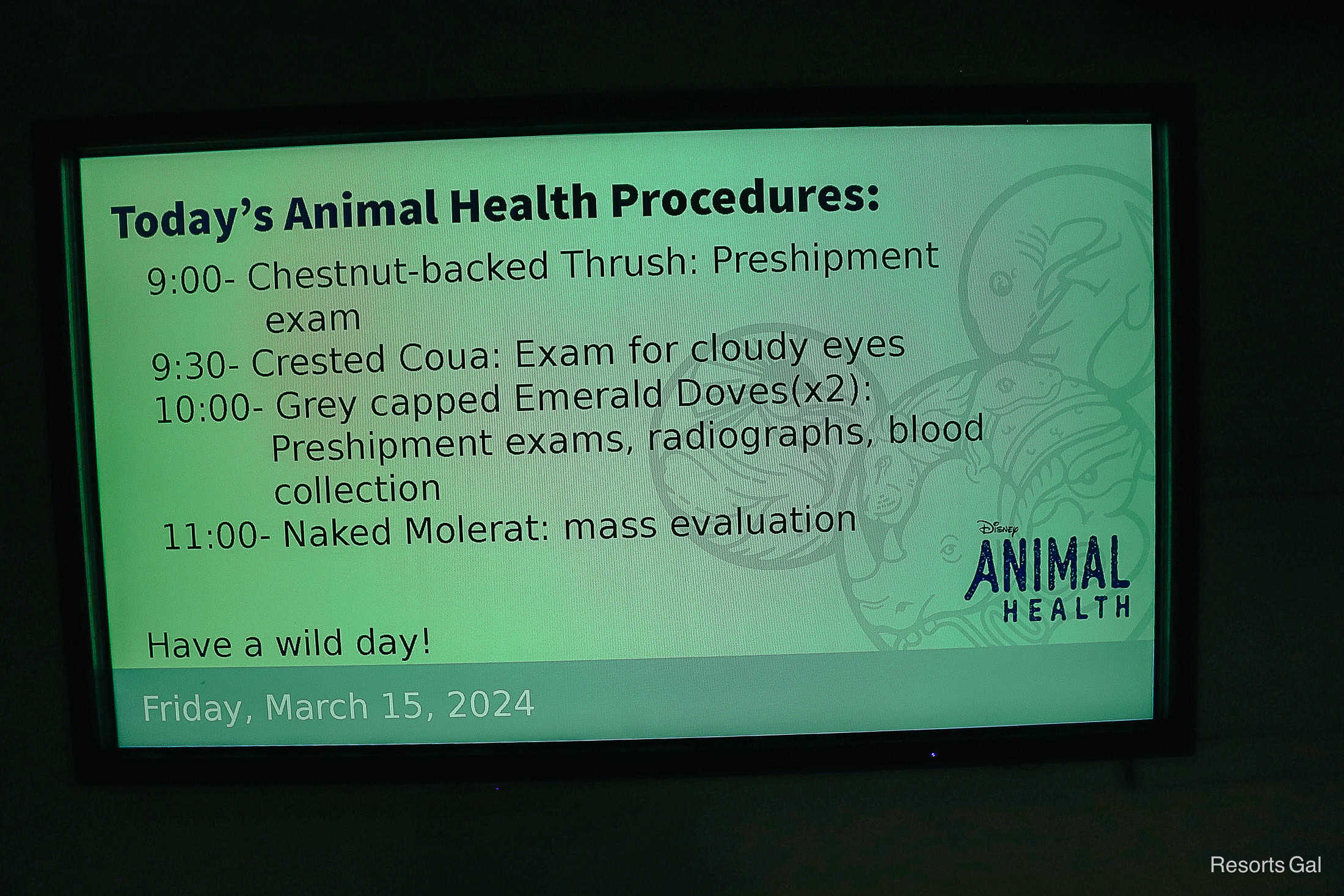
If you’re interested in seeing this kind of thing, you’ll want to visit earlier rather than later. Here is the schedule that was posted on the day of this visit. As you can see, the last procedure was a mass evaluation of a naked mole rat at 11:00 a.m. By lunchtime, these sorts of things are typically wrapped up.
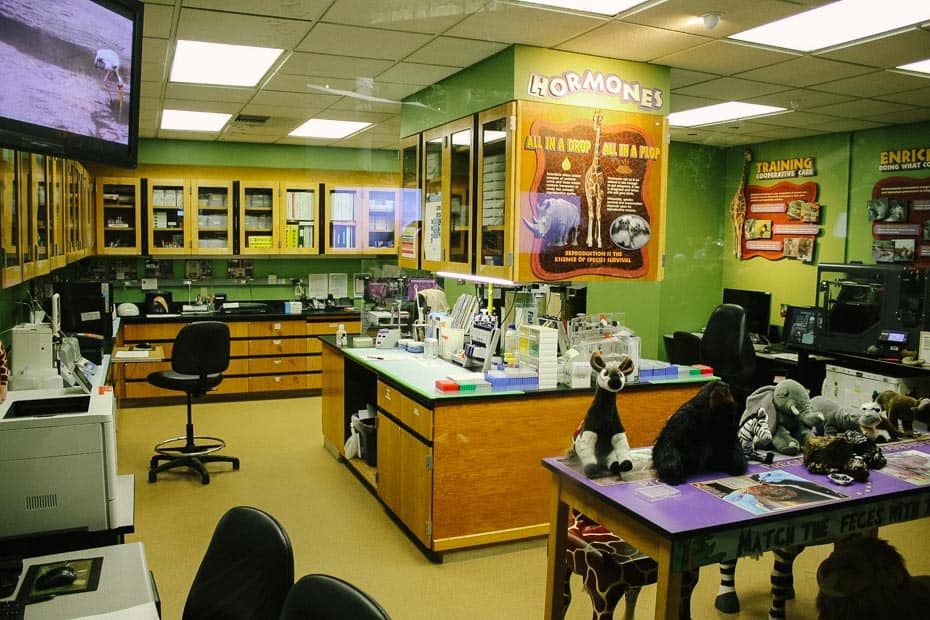
The Science Center is next to the Veterinary Treatment Room. Cast members often work in this area.
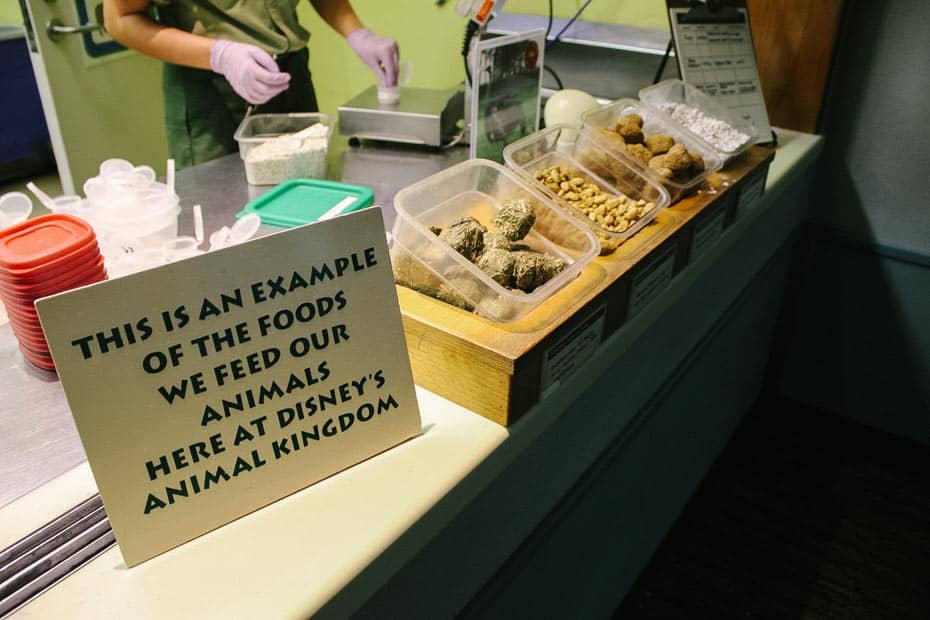
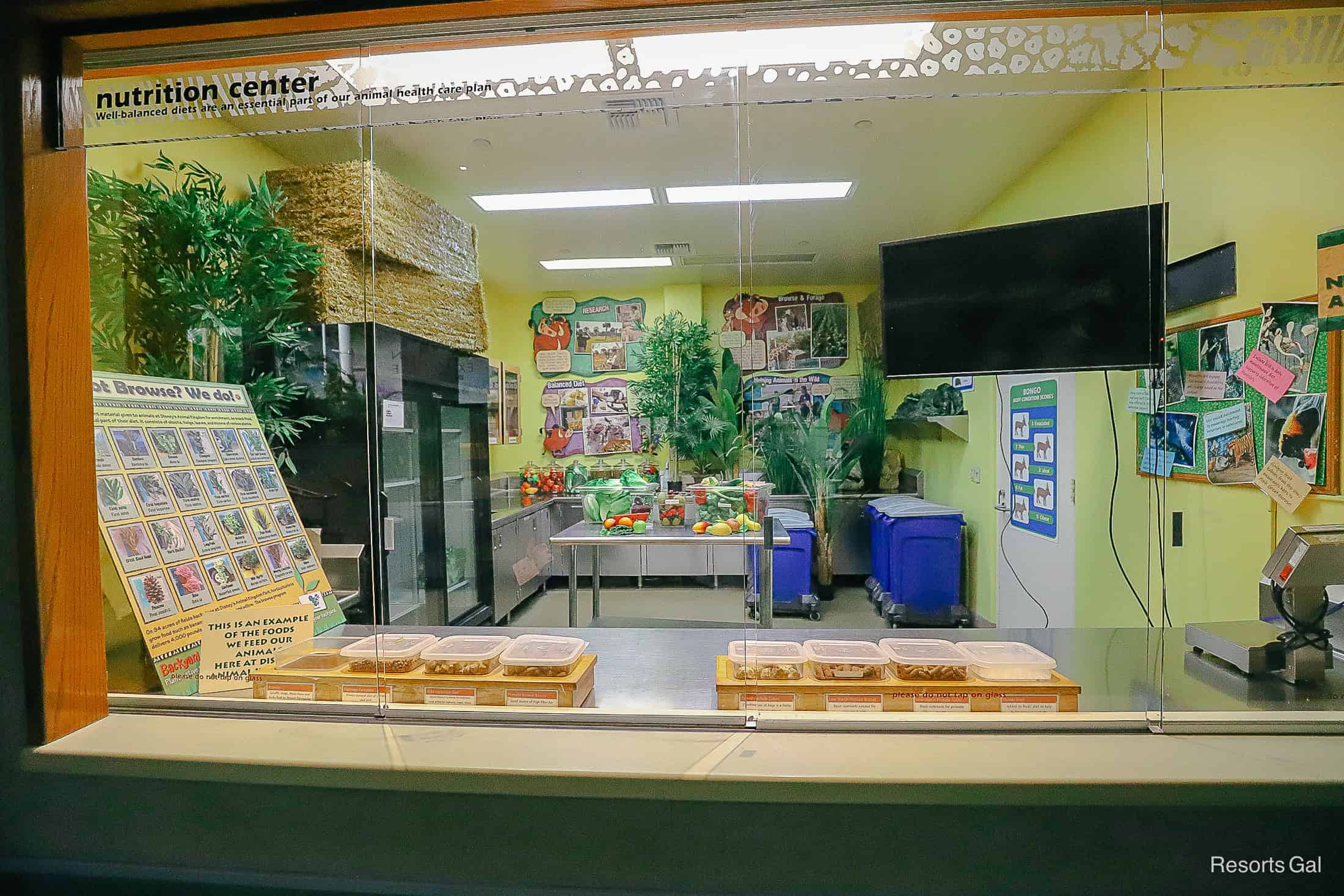
Here is a look inside the nutrition area. Someone was working here in the background on the day of this visit. It’s been my experience that the earlier in the day you visit Conservation Station, the more you’ll see.
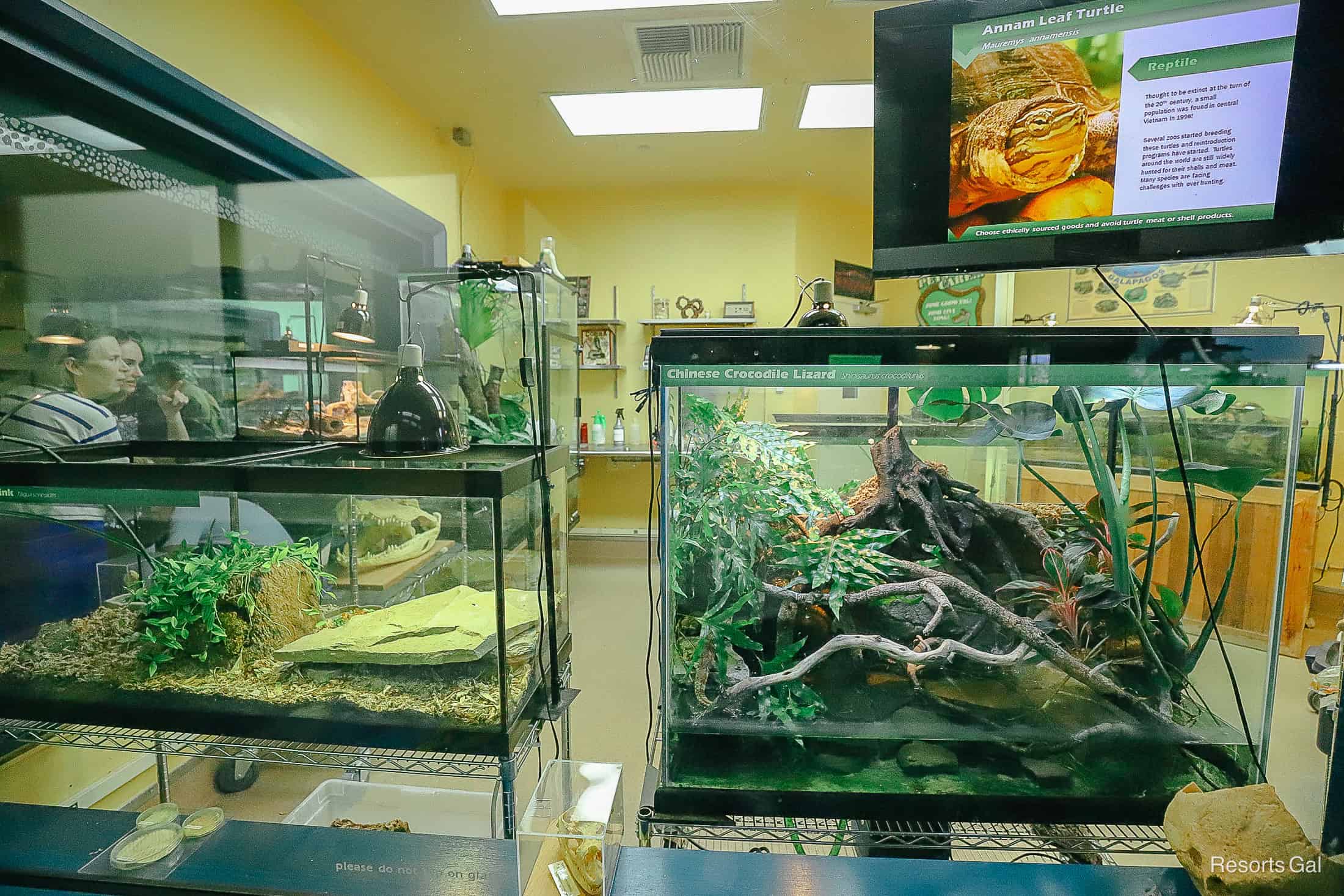
Before you leave, don’t forget to check out the invertebrate windows. You’ll see anything from snakes and lizards to scorpions, millipedes, and tarantulas. We saw some pretty vibrant (yet deadly) tree frogs on a recent visit.
Final Thoughts
We’re giving Conservation Station the red light, and I hate to do that! While you won’t experience a wait for this attraction, it’s not necessarily something we would consider a must-do experience. Overall, Conservation Station is an educational area that focuses on the health and safety of animals and other various species.
For similar attractions at Disney’s Animal Kingdom, see our list of rides at Disney’s Animal Kingdom. Or, for other parks, see our Disney World Rides and Attractions guide. It links to attraction guides for all four theme parks.
Our Disney World Resorts guide covers the hotels and everything they offer. You might also like our overview of dining at Disney World and our Disney World Characters List. Need to learn how to get around? Our comprehensive Disney World Transportation Guide is one of our top resources.
If you’re just getting started, you might like our Disney World Vacation Planning Guide. It brings together the resources you need to plan your visit. Check back with ResortsGal.com for more updates.
In the Comments
Have you ever visited Conservation Station? Let us know in the comments.